Engineering and manufacturing are the backbone of modern industries. Almost everything we use today, from machines to everyday products, is made possible because of these two fields. Over time, engineering and manufacturing have changed a lot. They are no longer limited to manual work or basic machinery. Today, they involve advanced planning, smart technology, skilled people, and innovative processes.
Industries across the world depend on strong engineering and manufacturing solutions to grow and compete. These solutions help companies produce better products, reduce costs, improve quality, and meet market demands. In this blog, we will explore how engineering and manufacturing solutions are driving industrial innovation and shaping the future of industries.
Understanding Engineering and Manufacturing
Engineering is the process of designing, planning, and building systems, machines, and structures. It focuses on problem-solving and creating practical solutions. Manufacturing, on the other hand, is the process of producing goods using raw materials, machines, tools, and labor.
When engineering and manufacturing work together, they create efficient systems that deliver high-quality products. Engineering plans the “how,” and manufacturing executes the “what.” This strong connection is essential for any industrial operation to succeed.
The Role of Engineering in Industrial Growth
Engineering plays a major role in industrial development. Engineers study problems, analyze requirements, and design solutions that meet technical and business needs. They focus on safety, performance, efficiency, and durability.
Modern engineering uses advanced software tools for design and simulation. These tools help industries test ideas before actual production begins. This reduces errors and saves time and money. Engineering solutions also help industries follow safety standards and government regulations.
By improving designs and processes, engineering helps industries produce smarter, stronger, and more reliable products.
Manufacturing as the Engine of Innovation
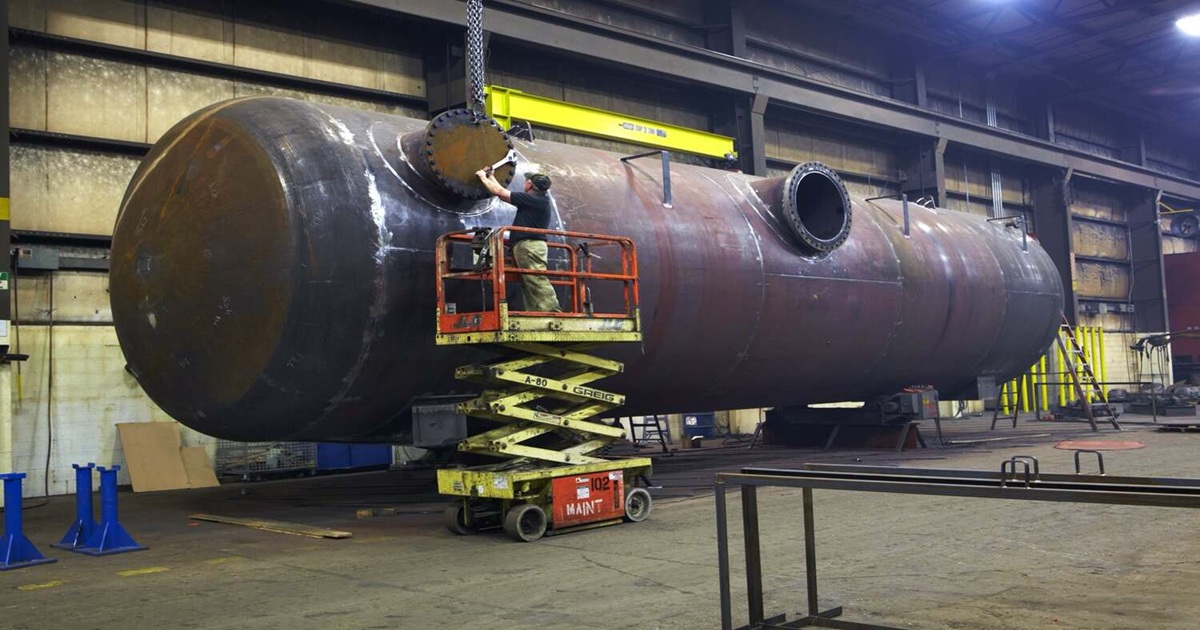
Manufacturing turns ideas into reality. It is where designs become physical products. Today’s manufacturing is faster, cleaner, and more precise than ever before. Automation, smart machines, and digital tools have changed how factories operate.
Advanced manufacturing methods allow companies to produce more in less time. They also reduce waste and improve consistency. This helps businesses meet customer expectations and stay competitive in the market.
Manufacturing innovation also supports customization. Companies can now produce products based on specific customer needs without increasing costs too much.
Integration of Technology in Engineering and Manufacturing
Technology has become an essential part of engineering and manufacturing. Digital tools help industries plan, design, monitor, and improve their processes.
Automation is one of the biggest changes in manufacturing. Machines can now perform repetitive tasks with high accuracy. This improves productivity and reduces human error. Engineers use data and software systems to control and optimize these machines.
Another important development is the use of data. Sensors and monitoring systems collect information from machines and production lines. This data helps engineers understand performance, detect issues early, and improve efficiency.
Technology integration leads to better decision-making and continuous improvement.
Improving Efficiency and Reducing Costs
One of the main goals of engineering and manufacturing solutions is to improve efficiency. Efficient processes save time, energy, and resources. Engineering teams analyze workflows and identify areas for improvement. Manufacturing teams then implement these changes on the production floor.
Efficient systems also reduce operational costs. Less waste, fewer breakdowns, and better resource use all lead to cost savings. These savings can be invested in research, innovation, and business growth.
Cost-effective manufacturing also helps companies offer competitive prices to customers.
Quality and Precision in Modern Manufacturing
Quality is a top priority for any industry. Engineering ensures that products are designed to meet quality standards. Manufacturing ensures that these designs are produced accurately and consistently.
Modern manufacturing uses quality control systems at every stage of production. Machines and sensors check dimensions, strength, and performance. Any defects are identified early and corrected.
High-quality products build trust with customers. They also reduce returns, repairs, and maintenance costs. Engineering and manufacturing together create products that last longer and perform better.
Sustainability and Responsible Manufacturing
Sustainability is becoming increasingly important in industrial operations. Engineering and manufacturing solutions now focus on reducing environmental impact.
Engineers design processes that use less energy and fewer raw materials. Manufacturing units adopt cleaner technologies and recycling methods. Waste reduction and proper disposal are key priorities.
Sustainable manufacturing not only protects the environment but also improves brand reputation. Customers and partners prefer companies that follow responsible practices.
Skilled Workforce and Innovation
Even with advanced technology, people remain at the heart of engineering and manufacturing. Skilled engineers and technicians bring creativity, experience, and problem-solving abilities to industrial operations.
Training and skill development are essential for innovation. Industries that invest in their workforce are better prepared to adopt new technologies and improve processes.
A strong team encourages continuous improvement and long-term success.
Engineering and Manufacturing for Future Industries
The future of industries depends on smart engineering and manufacturing solutions. As markets change, industries must adapt quickly. Flexible systems and innovative designs will play a key role.
Future manufacturing will focus on automation, digital integration, and sustainability. Engineering will continue to drive innovation by creating smarter systems and products.
Industries that embrace these changes will be better positioned to grow and succeed.
Conclusion
Engineering and manufacturing solutions are shaping the future of industrial innovation. They help industries improve efficiency, quality, and sustainability. By combining smart design, advanced technology, and skilled people, companies can build strong and reliable industrial systems.
As industries continue to evolve, engineering and manufacturing will remain essential drivers of progress. Businesses that invest in these areas will not only meet today’s challenges but also prepare for tomorrow’s opportunities. Through continuous improvement and innovation, engineering and manufacturing will continue to build a stronger industrial future.